Sanfo: A Stylish Handwritten Font
Working on a branding project for a small café recently, I found myself scrolling through my font library, looking for something that could bring a sense of warmth and personality to the brand. That’s when I came across Sanfo. It wasn’t just another script font—it had a unique energy that made me want to play with it right away.
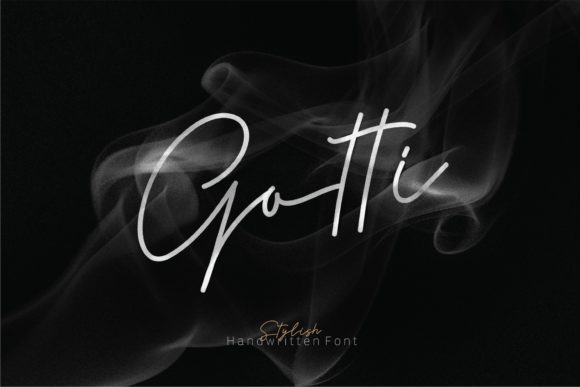
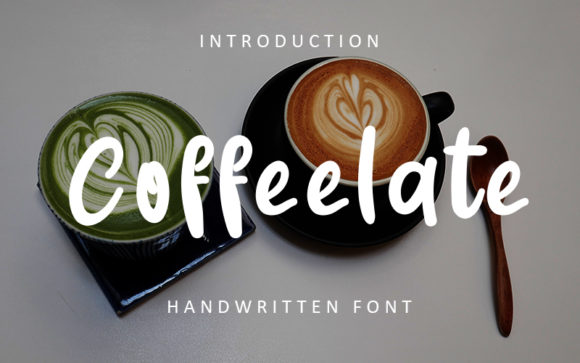
Sanfo is a stylish and unique handwritten font that feels both modern and timeless. Its fluid strokes and gentle curves give it a soft, approachable vibe, while its subtle variations in weight and spacing add character without being overwhelming. The font has a natural, almost organic feel, as if it was written by hand rather than designed on a computer. This makes it perfect for brands that want to convey authenticity and creativity.
One of the first things I did was test Sanfo on a logo draft. I used it for the café’s name, pairing it with a simple sans serif for balance. The contrast between the two fonts created a nice visual rhythm, and Sanfo added a personal touch that felt right for the brand’s identity. It worked well as a headline font, but I also noticed how it could be used more subtly in other parts of the design system.
As I moved into packaging design, I experimented with Sanfo on product labels and coffee bags. The font looked great in short-form text, like ingredient lists or taglines, where its readability didn’t suffer. It also stood out on shop signs and business cards, giving them a custom, handcrafted feel that resonated with the café’s aesthetic.
Sanfo’s versatility made it a valuable asset in different design contexts. Whether I was working on social media graphics, website headers, or printed marketing materials, the font maintained its charm without losing clarity. It’s not a font you’d use for long paragraphs, but as a display or accent font, it shines. Its ability to work in multiple formats—from digital to print—makes it a reliable choice for any creative project.
I also tested Sanfo in editorial design, using it for headings and subheadings in a brochure. The font’s expressive nature gave the layout a dynamic feel, and it paired well with a clean serif typeface for body text. This kind of font pairing is essential for maintaining visual hierarchy while keeping the design cohesive.
One thing I always recommend to clients is to test a font thoroughly before committing to it. Sanfo is no exception. I created a few mockups with different weights and styles to see how it performed in various scenarios. I checked how it looked at different sizes, on different backgrounds, and in different languages. It handled all of these situations well, which is a big plus for any designer looking for a reliable font.
When considering Sanfo for a project, it’s important to think about the brand’s personality. If the brand is looking for something that feels warm, creative, and slightly unconventional, Sanfo can be a great fit. But if the brand needs something more formal or minimal, it might not be the best choice. That said, even in more traditional settings, Sanfo can still be used effectively as an accent or highlight.
For those working on client projects, Sanfo offers a lot of flexibility. It can be used in logos, social media posts, packaging, and even merchandise like T-shirts or mugs. Its handwritten style adds a personal touch that can make a brand stand out in a crowded market. Plus, its commercial font licensing makes it easy to integrate into a wide range of design assets.
Overall, Sanfo is a font that brings a sense of individuality and charm to any project. It’s not just a pretty script—it’s a tool that can help designers create meaningful and memorable visual identities. Whether you’re working on a café, a boutique, or a creative studio, Sanfo has the potential to elevate your design work in a way that feels authentic and intentional.
As I wrapped up the project, I found myself thinking about how much I enjoyed working with Sanfo. It wasn’t just about the look—it was about the feeling it brought to the design. That’s what makes a good font, and that’s why Sanfo has earned a permanent spot in my toolkit.